 EN
EN

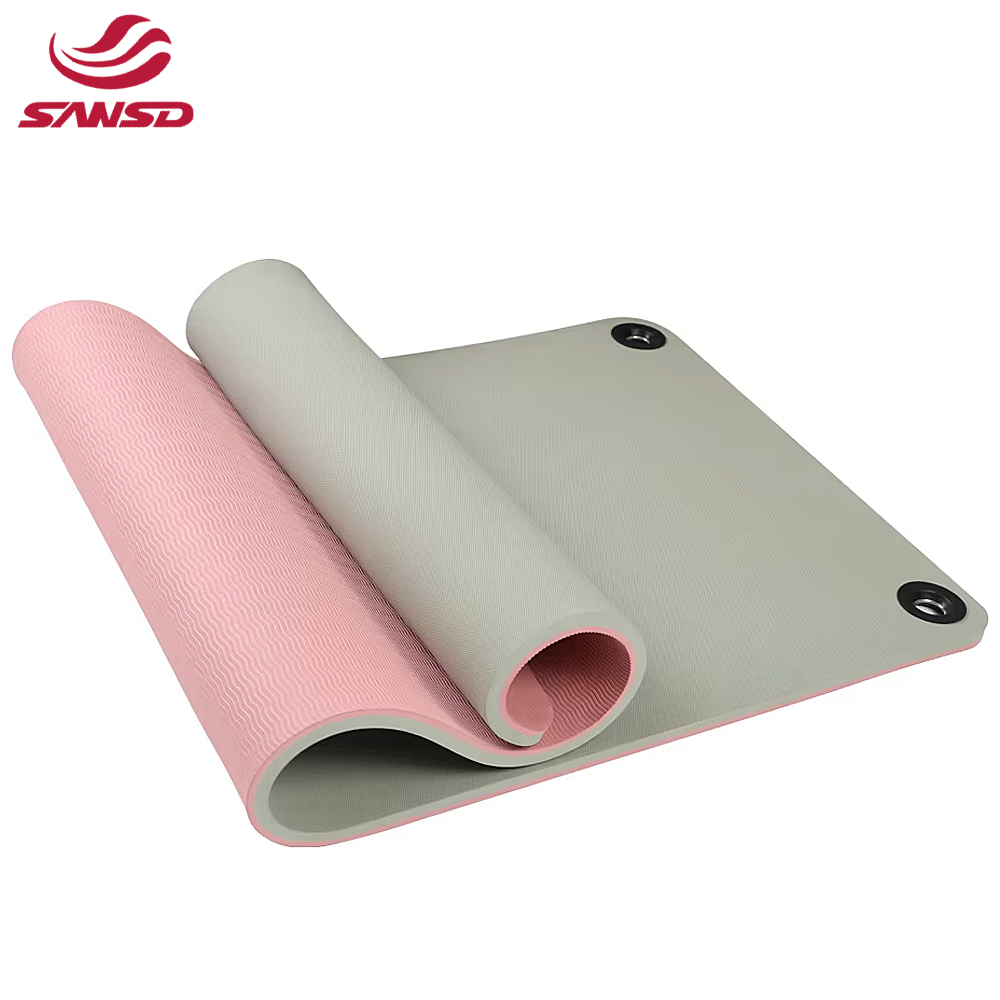
Core Sustainable Materials in an Eco Friendly Yoga Mat
Natural Rubber vs. Synthetic Alternatives: Biodegradability and Ethical Harvesting
Natural rubber is tapped sustainably from rubber trees—harvesting latex without harming the tree—and fully biodegrades under appropriate conditions. In contrast, synthetic mats made from PVC or EVA rely on petroleum-based polymers that resist breakdown and often contain toxic additives like phthalates or heavy-metal stabilizers. Choosing natural rubber reduces long-term waste and supports ethical agroforestry systems.
Cork, Jute, Hemp & Organic Cotton: Renewability and Low-Impact Processing
Cork is harvested from the regenerating bark of cork oak trees—no trees are cut down, and bark fully regrows every 9–12 years. Jute and hemp thrive with minimal water, no synthetic pesticides, and enrich soil through deep root systems. Organic cotton avoids conventional cotton’s heavy pesticide use (which accounts for ~16% of global insecticide sales, per Panna Foundation data). These plant-based fibers require significantly less energy to process than plastics and offer inherent antimicrobial properties and breathability. Unlike synthetics, they decompose in months to a few years—not centuries—making them foundational to truly circular yoga gear.
Hidden Environmental and Health Risks of Conventional Mats
Most standard yoga mats are made from polyvinyl chloride (PVC) or polyurethane (PU), materials carrying serious environmental and health costs that many practitioners overlook. Shifting to an eco friendly yoga mat eliminates exposure to these hidden hazards.
PVC, PU, and Toxic Additives: Air Quality, Endocrine Disruption, and Dioxin Concerns
PVC production releases dioxins—persistent organic pollutants classified by the WHO as carcinogenic and linked to immune and developmental harm. To soften PVC, manufacturers add phthalates, which readily leach into indoor air—especially during heated practices—posing endocrine-disrupting risks. PU mats often contain isocyanates, known respiratory irritants, along with residual solvents and flame retardants that degrade indoor air quality over time. While the European Union has restricted multiple phthalates and certain flame retardants under REACH, many budget imports still contain them. A certified eco friendly yoga mat made from natural rubber, cork, or organic textiles avoids these chemical exposures entirely.
Microplastic Shedding and Centuries-Long Landfill Persistence
With regular use, PVC and PU mats shed microplastic particles—detectable in indoor dust and floor residue—that can be inhaled or washed into waterways. Once in ecosystems, they bioaccumulate up the food chain. Crucially, these materials do not biodegrade: landfill studies indicate PVC persists for 500+ years while slowly leaching plasticizers and heavy metals into soil and groundwater. A single conventional mat thus contributes to intergenerational pollution. By comparison, responsibly sourced natural rubber and cork mats can be industrially composted or repurposed—closing the loop instead of locking toxins into perpetual waste streams.
Verifying Authenticity: Certifications, Transparency, and End-of-Life Responsibility
FSC, GOTS, OEKO-TEX®: Which Certifications Matter for an Eco Friendly Yoga Mat?
Third-party certifications provide essential verification against greenwashing. The Forest Stewardship Council (FSC) certifies responsibly tapped natural rubber; the Global Organic Textile Standard (GOTS) verifies organic fibers like cotton and hemp meet strict ecological and social criteria across processing; OEKO-TEX® Standard 100 confirms final products are free from harmful levels of over 1,000 regulated and non-regulated substances. These labels reflect audited supply chains—not marketing claims—and require ongoing compliance checks to maintain credibility.
Compostability Claims Decoded: Realistic Timelines and Industrial vs. Home Conditions
“Compostable” does not mean “home-compostable.” Industrial facilities maintain sustained high temperatures (140–160°F) and controlled moisture, enabling certified natural rubber or TPU-blend mats to break down in roughly 6 months. Most home compost piles rarely exceed 110°F and lack consistent turning or microbial balance—rendering decomposition unreliable or incomplete. Look for OK Compost INDUSTRIAL (TUV Austria) or ASTM D6400 certification to confirm industrial facility requirements. Always verify local composting infrastructure before assuming end-of-life disposal options.
Choosing Your Eco Friendly Yoga Mat: A Practical Decision Framework
Selecting an eco friendly yoga mat means aligning material integrity with functional performance and lifecycle responsibility. Start by matching your practice needs to material strengths: natural rubber delivers superior grip and cushioning but may carry a mild, earthy scent initially; cork offers naturally antimicrobial, sweat-resistant traction and lightweight portability; jute and organic cotton provide soft, breathable surfaces ideal for restorative practice—but less joint support. Avoid PVC and PU outright due to their irreversible environmental and health trade-offs.
Next, assess practical fit:
- Grip and texture: Prioritize tested traction—cork and natural rubber excel here, even when damp.
- Cushioning vs. portability: Thicker (5–6 mm) natural rubber mats protect joints but weigh more; cork or folded jute mats strike a balance for travel or daily carry.
- Certifications: FSC (rubber), GOTS (textiles), and OEKO-TEX® (finished product) signal verified safety and sustainability—not just vague “eco” language.
- End-of-life responsibility: Confirm whether the mat is industrially compostable (e.g., OK Compost INDUSTRIAL), recyclable via specialty programs, or designed for disassembly. Natural rubber and cork typically decompose within 1–5 years under proper conditions—versus centuries for synthetics.
Finally, factor in longevity and value: a well-made eco friendly yoga mat often costs more upfront but lasts 3–5+ years with care—reducing replacement frequency, waste, and lifetime cost per use. By weighing material origin, real-world performance, third-party validation, and responsible disposal, you choose a mat that honors both your body and the biosphere.
FAQ
Are all eco-friendly yoga mats compostable at home?
No, not all eco-friendly yoga mats are home-compostable. Most require industrial compost facilities to fully break down.
What certifications should I look for in an eco-friendly yoga mat?
Look for certifications like FSC for rubber, GOTS for textiles, and OEKO-TEX® for ensuring product safety and sustainability.
Why are natural materials better than synthetic ones for yoga mats?
Natural materials are biodegradable, renewable, and avoid toxic additives, reducing environmental impact and health risks.