 EN
EN

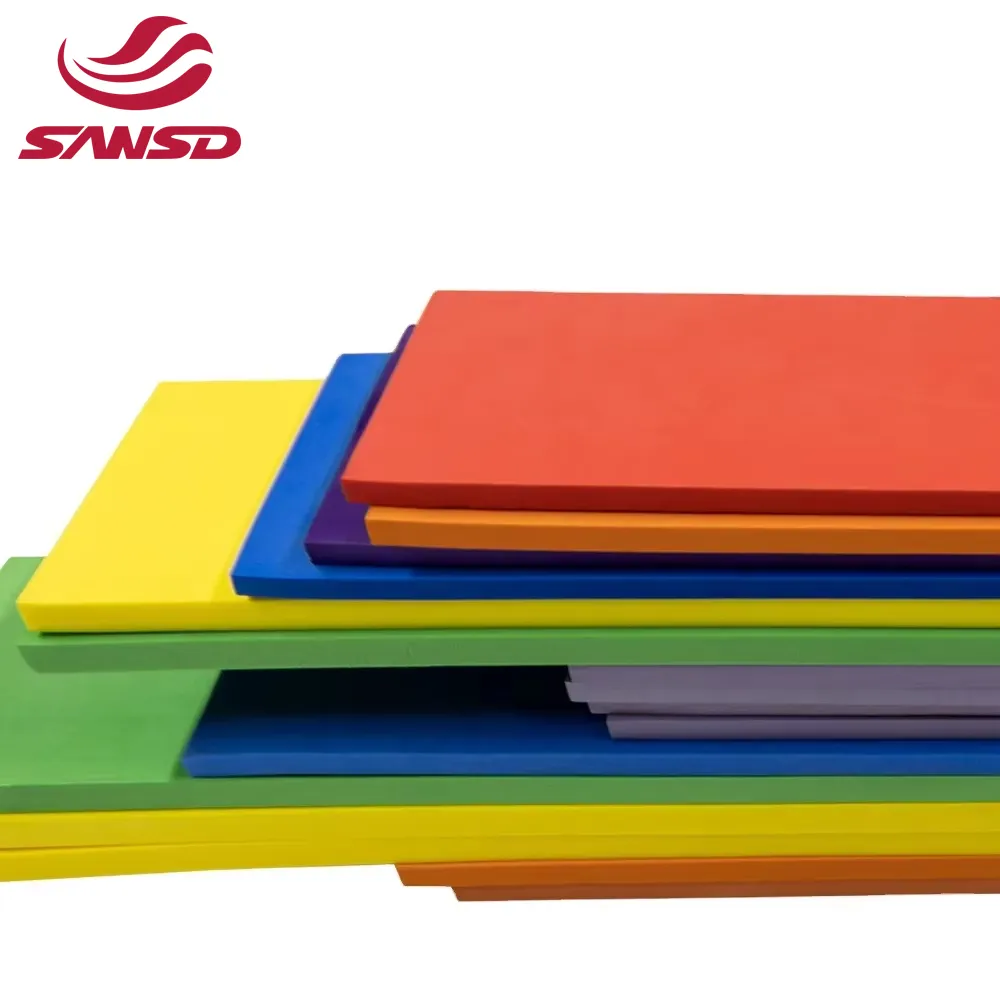
A Gasket That Finally Stopped the Leak
An outdoor enclosure maker shipped a cabinet that passed a factory spray test and then leaked in the field within a single season. The gasket was an open-cell sponge that carried water along its length the way a paper towel does. Switching to closed cell cr foam stopped the leak without changing the groove, the latch, or the tooling, and field returns fell away within two production cycles.
The failed open-cell attempt
The original gasket looked fine on the bench because the spray test was short and the sample was new. In service, water found the cut ends of the strip and crept along the open cells, reaching the inside of the cabinet even though the compressed faces were dry. Closed cell cr foam was not the first thing anyone suspected, because the cost difference was small and nobody had compared absorption rates before choosing.
What the switch actually changed
The replacement strip used the same profile and the same compression, but every cell was sealed from its neighbours so there was no continuous path for water to travel. Closed cell cr foam also recovered better after the cabinet spent a summer cycling hot and cold, which kept the sealing force steady through the seasons. The tooling stayed in place and the bill of materials barely moved, which is why the change was approved in a single afternoon.
Cost per metre went up slightly and the payback was immediate. Returns, service calls and field replacements cost far more than the material ever did, and the cabinet had been quietly damaging the brand for a season. Closed cell cr foam is rarely the most expensive line on a bill of materials, and it is almost never the part worth economising on. Specifying closed cell cr foam with the right compression set from the start avoids that entire conversation later on.
What Happens When Seals Absorb Water
Wicking and capillary paths
Wicking is the failure most people miss. Water does not need pressure to move through open cells; capillary action pulls it along, and a gasket can stay damp for days after the rain has stopped. Closed cell cr foam removes that path because each cell is a separate pocket. That difference matters most at cut ends, corners, and joints, which are exactly the places where field leaks usually start.
Compression set and creep
Compression set and creep finish the job over time. A gasket held under constant load slowly loses the force it pushes back with, and once the sealing pressure drops below what the joint needs, water finds a way in. Closed cell cr foam with a low compression set figure holds that force far longer. Heat speeds the process, so an enclosure in direct sun ages its seal faster than the same unit in shade.
Temperature cycling deserves special attention here. A seal squeezed between a hot outer skin and a cool inner panel spends its whole life moving, and every cycle works the cell structure a little more. Closed cell cr foam with a low compression set figure handles that cycling far better than a general-purpose sponge. Seals that fail in year two usually lost their sealing force in year one, and testing closed cell cr foam for set makes that decline visible before it becomes a leak.
Why Closed Cell Blocks Water
Cell walls and absorption rates
The distinction comes down to whether the cells connect. In an open-cell structure the walls are broken during manufacture, leaving a continuous network that air and water move through freely. In closed cell cr foam the walls stay intact, so absorption is limited to the cut surface rather than the whole volume. Water absorption is usually reported as a percentage by weight, and the difference between the two types is dramatic.
What CR chemistry adds
CR stands for chloroprene rubber, better known by the trade name neoprene. The base polymer brings reasonable resistance to oils, ozone and weathering, which matters for a part that lives outdoors. Closed cell cr foam also keeps working across a wide temperature range and resists mild chemicals better than general-purpose polyethylene foam. Those properties are why it turns up in marine hatches, HVAC units and vehicle door seals.
Adhesive choice matters just as much as the material. A strip bonded with the wrong adhesive lifts at the corner long before the foam itself wears out, and water follows the gap straight inside. Closed cell cr foam bonds well with contact adhesives matched to the substrate, and a lightly abraded surface usually gives a far more durable hold. Soaking a small bonded sample for a week reveals problems that closed cell cr foam alone would never show on a bench.
Specs, Testing and Seal Care
Standards worth naming
ASTM D1056 is the standard specification for flexible cellular rubber products and sets out the grades and physical requirements for material like this. ASTM D395 covers compression set, ASTM D471 measures the effect of liquids, and ASTM D570 is the usual water absorption method. Building envelopes face ASTM E331 for water penetration, while UL 94 and FMVSS 302 apply when flame performance matters. Naming these in a drawing ends most disputes.
Selecting, fitting and maintaining seals
Selection starts with compression. Most seals want roughly a quarter to a third of their thickness compressed, not flattened flat, since over-compression accelerates set and shortens life. Closed cell cr foam should be cut cleanly, joined at corners rather than stretched around them, and bonded with an adhesive compatible with the substrate. Inspecting seals once a year and replacing any that show permanent flattening keeps water outside where it belongs.
Frequently Asked Questions
Question: What makes a seal water resistant?
Answer: Sealed, separate cells remove the continuous path water needs to travel. Closed cell cr foam absorbs only at cut edges instead of through the whole strip, which is why it holds up in outdoor cabinets, marine hatches and vehicle doors. Density and compression still matter, since a seal with too little force will leak regardless.
Question: How much should a gasket be compressed?
Answer: Around a quarter to a third of the original thickness is a sensible target for most designs. Compressing a gasket flat increases sealing force briefly but speeds up compression set and shortens service life. Check the groove depth against the strip height before ordering so the seal lands in that range.
Question: Does CR foam handle outdoor weather?
Answer: Chloroprene rubber resists ozone, sunlight and mild weathering better than many general-purpose foams, and it stays flexible across a broad temperature range. Closed cell cr foam is common in marine and HVAC service for that reason. Extreme heat still accelerates compression set, so regular inspection matters in hot climates.
Question: Can closed cell foam absorb any water at all?
Answer: Yes, but only at cut surfaces rather than through the body of the material. That is why sealing or joining cut ends and corners properly makes such a difference in the field. Water absorption is reported as a percentage of weight under ASTM D570, and closed cell grades score far below open-cell equivalents.
Question: Which standard applies to these materials?
Answer: ASTM D1056 covers flexible cellular rubber products and defines the grades. ASTM D395 handles compression set, ASTM D471 covers liquid resistance, and ASTM D570 measures water absorption. Envelope products may also need ASTM E331 for water penetration, and flame-rated applications reference UL 94 or FMVSS 302.
Question: How often should seals be replaced?
Answer: Inspect them yearly and replace any that stay flat after the load is removed, feel hard, or show cracking at the corners. A seal that has taken a set no longer pushes back with enough force. Replacing closed cell cr foam gaskets on a schedule costs far less than repairing water damage inside an enclosure.