 EN
EN

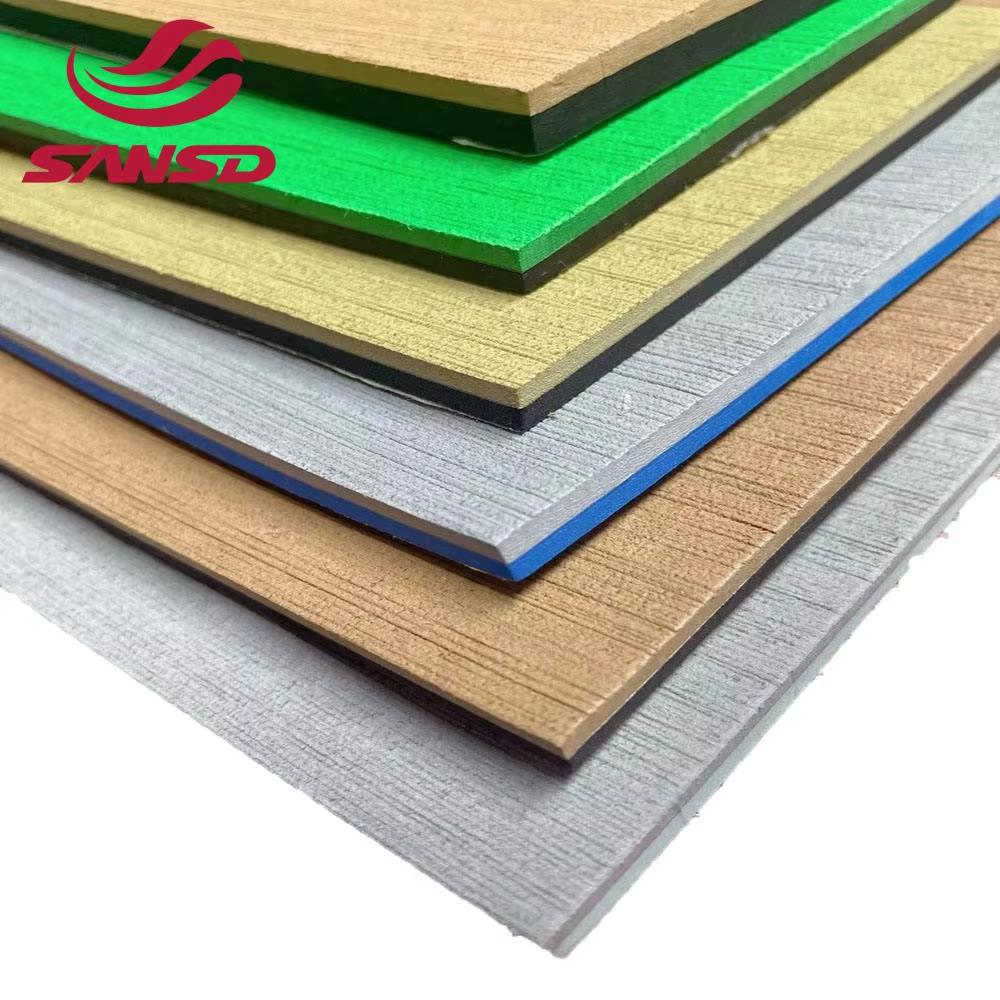
Keeping Marine Decks Shipshape: A Practical Guide to EVA Boat Flooring Maintenance
EVA boat flooring has gained widespread adoption across the marine industry for compelling reasons: it stays cooler under bare feet than fiberglass, provides reliable non-slip traction even when wet, and absorbs less water than traditional carpet or teak decking. A well-maintained EVA deck can last 6–8 seasons before requiring replacement. Neglected flooring, however, may show staining, edge lifting, and surface degradation within two years. The difference comes down to maintenance habits.
Understanding EVA Boat Flooring Construction
Why Closed-Cell Structure Determines Water Resistance
EVA boat flooring is manufactured as closed-cell foam — each microscopic air pocket remains sealed. This prevents water from penetrating below the surface, unlike open-cell foam or marine carpet that soaks up moisture and promotes mold. Closed-cell construction also means EVA does not absorb fuel, oil, or fish blood — spills stay on the surface.
The top surface features UV-stabilized embossed or textured patterning, often mimicking teak wood grain or diamond plate. UV stabilizers in the formulation absorb ultraviolet radiation, converting it to heat rather than allowing polymer-chain breakdown. Without adequate UV protection, EVA yellows and becomes brittle within 12–18 months of sun exposure.
High-quality EVA boat flooring from manufacturers like Sansd (Jiangsu) Environmental Technology incorporates UV stabilizers at 1.5–2.5% loading in the foam compound, extending service life under direct tropical sunlight to 5+ years before noticeable color shift occurs.
Adhesive Bonding: The Critical Interface
EVA flooring attaches to the boat deck via pressure-sensitive or contact adhesive. The bond line — the adhesive layer between deck substrate and foam backing — represents the most common failure point. Water ingress at edges, improper surface preparation before installation, and adhesive degradation from heat cycling all contribute to peeling. A properly prepared and sealed installation should show zero edge lift after 24 months. Any lifting within this period indicates either installation error or adhesive product mismatch.
Real-World Maintenance Case: Charter Fishing Operation
A charter fishing company operating six center-console boats in Florida faced rapid deck degradation — deep fish-blood stains, scaling around scupper drains, and edge separation after 14 months. Their occasional freshwater rinsing and monthly brushing proved insufficient for 200+ charter days annually.
The fix: pH-neutral marine deck cleaner after every trip, adhesive edge sealant on all seams, and quarterly deep-clean sessions with a soft-bristle drill brush. After 18 months on two test boats, staining decreased substantially and edge adhesion held. The remaining fleet adopted the schedule.
Proven Maintenance Practices for EVA Boat Flooring
Daily and Weekly Cleaning Routines
Rinse EVA foam decking with fresh water after every outing — salt crystals left to dry on the surface abrade the texture layer and accelerate wear. For boats stored in saltwater marinas, rinsing before covering prevents crystallization damage.
Weekly cleaning should use a soft-bristle brush with mild soap or dedicated marine EVA cleaner. Avoid stiff-bristle brushes and abrasive pads — these scour the textured surface and create smooth patches. Avoid bleach-based cleaners, acetone, and strong solvents, which attack the foam polymer matrix.
Stain Removal Without Damage
Fish blood and bait residue should be addressed immediately — fresh blood lifts with freshwater rinsing within minutes. Dried blood requires soaking: lay a wet towel over the stain for 15–20 minutes, then blot and rinse. Tannin stains from leaves or mangrove water respond to diluted white vinegar (1:4 ratio with water).
For stubborn stains — rust marks, mold spots — use a non-abrasive marine stain remover formulated for EVA or PVC foam decking. Apply, let dwell for 2–3 minutes, scrub gently, then rinse thoroughly. Never use oxalic acid-based teak cleaners on EVA foam — these chemically attack the polymer.
Seasonal and Long-Term Protection
Apply UV protectant at start and midpoint of each season. These products add a sacrificial UV-absorbing layer. Reapply after deep cleaning.
During winter storage, keep EVA flooring covered and dry. Covers that trap moisture promote mold growth. Ensure ventilation and periodically uncover on dry days. In freezing climates, verify drains remain clear — standing water that freezes can lift EVA edges.
Frequently Asked Questions
How long does EVA boat flooring last?
With proper maintenance, quality EVA foam decking lasts 6–8 seasons in moderate climates and 4–6 seasons under tropical sun. Sansd EVA boat flooring incorporates UV stabilizers for extended service life. Deck replacement timing depends more on total UV exposure hours than calendar age.
Can EVA boat flooring be repaired if edges lift?
Yes — edge lifting can be repaired if caught early. Clean the area, remove old adhesive with a plastic scraper, apply marine-grade contact adhesive, and press firmly. Seal with flexible marine sealant. Lifting exceeding 25mm typically requires section replacement rather than spot repair.
Does EVA boat flooring get hot in direct sun?
EVA foam stays significantly cooler than dark fiberglass or teak — its lower thermal mass and lighter colors reflect rather than absorb solar radiation. Light gray and tan EVA surfaces measure 15–25°F cooler than dark gelcoat under identical sun.
What cleaning products should never be used on EVA boat flooring?
Avoid bleach, acetone, mineral spirits, oxalic acid (teak cleaner), magic erasers, stiff brushes, and pressure washers above 1,200 PSI. These chemically degrade the foam or mechanically abrade the surface. pH-neutral marine deck cleaners are the safest choice.
Can EVA flooring be installed over existing non-skid deck patterns?
Yes — EVA foam sheets conform to moderate non-skid textures with proper adhesive. Deep diamond-pattern non-skid may telegraph through foam below 5mm thickness. For heavily textured decks, 8–10mm EVA provides better surface smoothing and comfort.
Is EVA boat flooring suitable for freshwater and saltwater use?
EVA foam performs equally well in freshwater and saltwater. Its closed-cell structure prevents water absorption in both conditions. Saltwater boats require more frequent freshwater rinsing to prevent abrasive salt-crystal buildup, but the material experiences no chemical degradation from salt exposure.