 EN
EN

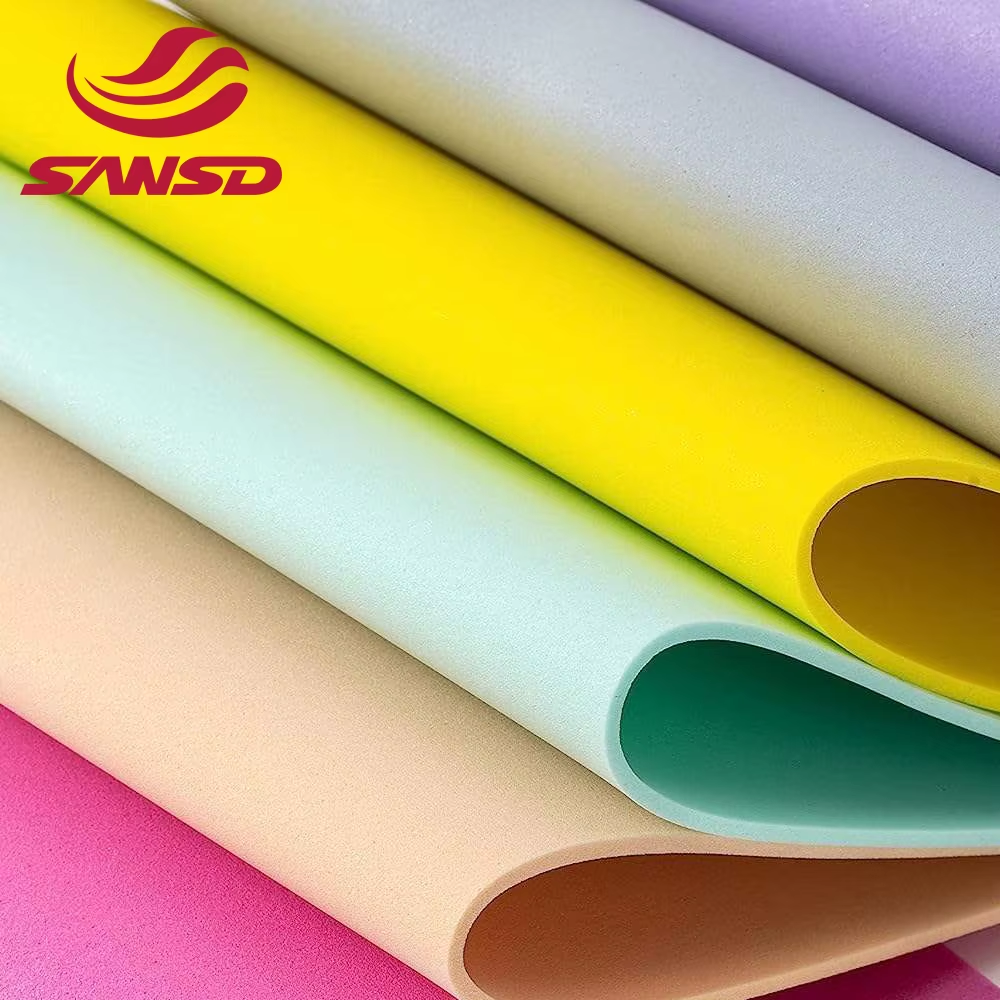
Closed Cell Polyethylene Foam: The Insulation Advantage
A commercial HVAC contractor was losing bids because of high installation costs. Traditional fiberglass insulation was labor-intensive to install, required vapor barriers, and degraded when exposed to moisture. The contractor switched to closed cell polyethylene foam insulation—and cut installation time by 40%. The foam was lightweight, easy to handle, and required no additional vapor barrier. The contractor started winning bids.
Closed cell polyethylene foam is one of the most versatile insulation materials available. Its combination of thermal efficiency, moisture resistance, and ease of installation makes it the preferred choice for HVAC, plumbing, and industrial insulation applications. The closed-cell structure—where individual cells are sealed and do not interconnect—is the key to its superior performance.
What Makes Closed Cell Polyethylene Foam Different
Closed cell polyethylene foam (PE foam) is a lightweight, flexible, and resilient material with a cellular structure where each cell is completely sealed. This structure is fundamentally different from open-cell foams, where cells interconnect and allow air and moisture to pass through.
The closed-cell structure provides several critical advantages:
Moisture resistance. Closed cells do not absorb water. Moisture cannot penetrate the material, making PE foam ideal for applications where condensation or water exposure is a concern. The material has minimal water absorption and low water-vapor permeability.
Thermal efficiency. The trapped air within the closed cells provides excellent thermal insulation. Closed cell polyethylene foam has a low thermal conductivity coefficient, typically around 0.038 W/m·K. This means it effectively retards heat gain or loss.
Durability. Closed cell polyethylene foam is resistant to mildew, mold, rot, and bacteria. It does not support microbial growth, making it suitable for applications where hygiene is important.
Chemical resistance. PE foam is resistant to water, chemicals, solvents, and grease. It is chemically inert and does not react with most substances.
Thermal Insulation Performance
The thermal insulation performance of closed cell polyethylene foam is among the best of any flexible insulation material. A 10mm thick layer of PE foam can provide up to 90% heat flow reduction. This level of thermal efficiency translates to significant energy savings in HVAC and plumbing applications.
The material's low thermal conductivity means less heat is transferred through the insulation. For pipe insulation, this means reduced heat loss from hot water pipes and reduced condensation on cold water pipes. The insulation also protects pipework from aggressive building materials.
Closed cell polyethylene foam is effective across a wide temperature range. It maintains its insulating properties from -40°C to +70°C, making it suitable for both cold and hot applications.
Moisture and Condensation Control
Moisture is the enemy of insulation. When insulation becomes wet, its thermal performance degrades significantly. Open-cell foams and fiberglass insulation absorb moisture, losing their insulating properties and promoting mold growth.
Closed cell polyethylene foam does not absorb water. The closed-cell structure prevents moisture ingress, maintaining thermal performance even in humid environments. This is why PE foam is the preferred insulation for cold water pipes, where condensation is a constant concern.
The material's low water-vapor permeability means it acts as its own vapor barrier. No additional vapor barrier is required for most applications, simplifying installation and reducing costs.
Sound Insulation and Vibration Damping
Beyond thermal insulation, closed cell polyethylene foam provides effective sound insulation and vibration damping. The closed-cell structure absorbs sound energy, reducing noise transmission through walls, floors, and mechanical systems.
In HVAC applications, PE foam insulation reduces the noise from vibrating pipes and equipment. In industrial settings, it dampens vibration and reduces operational noise. This dual functionality—thermal and acoustic insulation—makes closed cell polyethylene foam a cost-effective solution for many applications.
Environmental and Safety Advantages
Closed cell polyethylene foam is environmentally friendly. It is free of CFCs, HCFCs, and other ozone-depleting substances. It contains no halogens and is free of formaldehyde and fibers. The material is non-dusting and non-abrasive, making it safe to handle.
PE foam is also lightweight, which reduces transportation costs and simplifies installation. The material is easy to cut, fabricate, and install, reducing labor time and waste.
A Real-World Example: The Office Building That Cut Energy Costs
A 20-story office building in a humid climate was experiencing high energy costs and persistent condensation problems on its chilled water pipes. The building's existing fiberglass insulation had degraded from moisture exposure, losing its thermal effectiveness.
The building owner replaced the insulation with closed cell polyethylene foam. The new insulation eliminated condensation, reduced cooling energy consumption by 18%, and paid for itself within 18 months. The maintenance team reported that the PE foam was easier to install and required no ongoing maintenance.
Frequently Asked Questions
What is closed cell polyethylene foam?
Closed cell polyethylene foam is a lightweight, flexible insulation material with a cellular structure where each cell is completely sealed. The closed-cell structure provides moisture resistance, thermal efficiency, and durability that open-cell foams cannot match.
How does closed cell polyethylene foam compare to open-cell foam?
Closed cell foam has sealed cells that do not absorb water or allow moisture penetration. Open-cell foam has interconnected cells that absorb moisture and lose insulating properties when wet. Closed cell PE foam is superior for applications where moisture exposure is a concern.
What are the thermal properties of closed cell polyethylene foam?
Closed cell polyethylene foam has a low thermal conductivity coefficient of approximately 0.038 W/m·K. A 10mm thick layer can provide up to 90% heat flow reduction. The material maintains its insulating properties across a wide temperature range.
Is closed cell polyethylene foam resistant to moisture?
Yes. The closed-cell structure does not absorb water. PE foam has minimal water absorption and low water-vapor permeability. It acts as its own vapor barrier, eliminating the need for additional moisture protection in most applications.
Where is closed cell polyethylene foam used?
Closed cell polyethylene foam is used for pipe insulation, HVAC insulation, industrial insulation, sound insulation, and vibration damping. It is also used in packaging, automotive applications, and sports equipment.
Is closed cell polyethylene foam environmentally friendly?
Yes. PE foam is free of CFCs, HCFCs, halogens, and formaldehyde. It is non-dusting and safe to handle. The material is lightweight, reducing transportation emissions, and is recyclable at the end of its service life.