 EN
EN

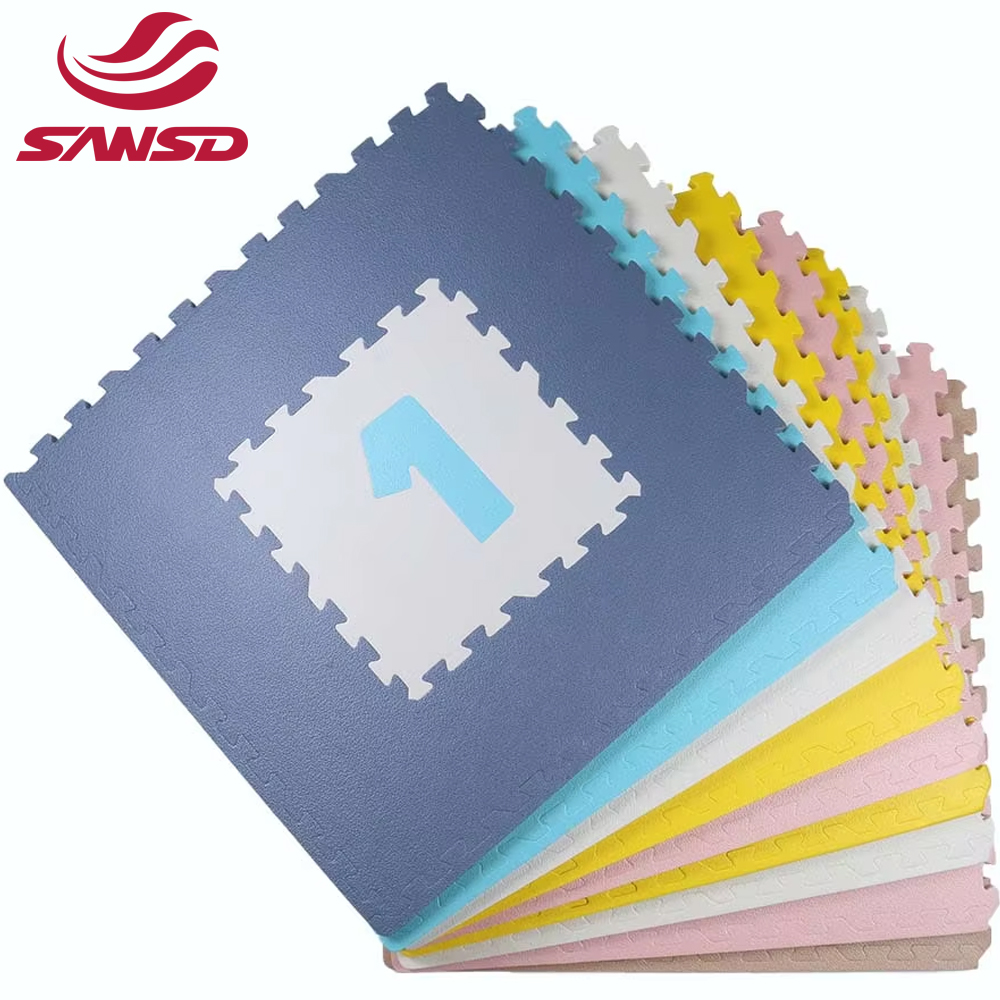
A purchasing manager at a European automotive parts supplier recently switched interior trim components to recycled eva foam, cutting Scope 3 emissions by 12 percent in a single reporting cycle with zero quality complaints from the assembly line. That result captures why recycled polymer materials have become one of the fastest-growing segments in industrial foam sourcing.
The Shift Toward Recycled Polymer Materials
What Makes Recycled EVA Foam Different from Virgin Material
Recycled eva foam starts from post-industrial scrap and post-consumer reclaimed ethylene-vinyl acetate, processed through grinding, cleaning, and controlled re-foaming. The resulting closed-cell foam retains the same density range — 60 to 150 kilograms per cubic meter — and Shore hardness flexibility from 10 to 80 degrees as virgin material. For procurement teams, the functional equivalence means no redesign, no retooling, and no requalification of downstream processes — the material performs the same job with a lighter environmental footprint.
Certification Standards That Separate Green Claims from Verified Performance
The Global Recycled Standard lays out specific requirements: raw materials must come from controlled collection channels, every production batch must be traceable back to input sources, and the entire chain of custody requires third-party audit verification. ISO 14021 provides additional guidance on self-declared environmental claims, requiring that recycled content percentages be verifiable. REACH chemical safety and EN71 toy safety compliance remain non-negotiable for products entering European or North American markets.
Real-World Applications and Performance
A Footwear Brand's Transition to Recycled Midsole Material
A mid-sized athletic footwear company serving the North American market faced retail partners demanding documented sustainability credentials while the product team refused to compromise midsole cushioning. After evaluating three suppliers, the company selected a GRS-certified material with density of 90 to 110 kilograms per cubic meter — matching the exact profile of the virgin material previously used. The transition required no changes to CNC machining programs, no adjustment to bonding adhesives, and no assembly line workflow modification. Twelve months after full conversion, return rates remained statistically unchanged, while the brand secured placement in two major retail chains that had previously rejected the line due to insufficient sustainability documentation.
Performance Specifications That Drive Procurement Decisions
Compression set — typically measured as percentage thickness loss after 24 hours at 50 percent compression — indicates whether foam maintains cushioning over its service life. Values under 15 percent are expected for quality recycled material. Tensile strength and elongation at break matter for applications where the material undergoes stretching during installation, such as marine decking sheets. Water absorption, measured as weight gain after immersion, matters for outdoor applications. Buyers should request these values alongside density and hardness — performance depends on processing quality, not recycled content percentage alone.
Technical Factors Behind Consistent Quality
Density Control and Cell Structure Engineering
Uniform cell structure determines whether recycled material performs predictably. The foaming process must maintain precise temperature profiles and pressure curves throughout the entire material thickness. When manufacturing thick blocks exceeding 50 millimeters, the center cools more slowly than the surface, creating density variation risk. Advanced production lines address this through multi-zone temperature control and extended cooling cycles. For recycled content, the quality challenge doubles: both reclaimed input and foaming process must be controlled — explaining why vertically integrated manufacturers handling grinding, compounding, and foaming under one roof produce more consistent material.
Sourcing Checklist for Industrial Buyers
Start by confirming GRS certification scope — verify it covers the specific product category and production facility. Request density tolerance data across the last 10 production batches. Review third-party test reports for compression set, tensile strength, and application-specific requirements. Ask for chain-of-custody records from a sample batch to verify that traceability exists in practice. Evaluate in-house capabilities: grinding, compounding, foaming, fabrication, and testing all under one roof reduces quality gaps at handoff points. The per-kilogram price sometimes runs slightly higher than virgin material, but reduced waste disposal costs, lower regulatory burdens, and retail partner gains often flip the total cost equation.
Frequently Asked Questions
What recycled content percentage is available in EVA foam?
Most GRS-certified manufacturers offer material with recycled content from 30 to 100 percent post-industrial or post-consumer sources. The appropriate percentage depends on mechanical requirements of the specific application.
How does recycled EVA foam compare to virgin material in durability?
When processed with proper quality controls, the material shows no statistically significant difference in compression set, tensile strength, or elongation versus virgin material of the same density grade. Third-party test reports provide the most reliable comparison data.
Why prioritize GRS certification over other recycled content claims?
GRS certification requires independent third-party audit verification of the entire chain of custody. Other certifications may rely on self-declaration or limited-scope verification, making GRS the most rigorous standard for recycled content in polymer materials.
Can recycled EVA foam meet REACH and EN71 requirements?
Yes. Reputable manufacturers test recycled eva foam against REACH restricted substances and EN71 migration limits applied to virgin material, providing documentation confirming compliance for each production batch.
How long does supplier qualification typically take?
A thorough qualification — including certification review, sample testing, factory audit, and trial production — typically takes four to eight weeks. This timeline should be factored into product development schedules rather than treated as a last-minute procurement task.
Which industries lead in recycled EVA foam adoption?
Footwear manufacturing leads in volume, followed by sports and fitness equipment, marine decking, automotive interiors, and protective packaging. The common thread is the combination of downstream sustainability requirements with performance specifications that recycled eva foam meets without compromise.